

Is Trintellix Good For OCD?
 DR. R. Y. Langham
November 18, 2022

Dr. Dianne Stevenson
I am a Clinical Psychologist, with over 12 years experience working in private practice. I work with adults that are struggling with a range of mental health issues. These most commonly include OCD, anxiety, low mood, emotional dysregulation, trauma, relationship difficulties, and stress.

You have OCD, and at this point, you have tried Paxil, Zoloft, and Luvox to no avail. Your obsessions and compulsions are as alive as ever. The intrusive thoughts, fears, urges, and so on are exhausting, then you add your go-to rituals and routines and you have little to nothing left to complete tasks and just live. Your doctor then prescribes you Trintellix. He explains to you that while it is an antidepressant, it is not an SSRI and it is not FDA-approved for OCD.
As a result, he prescribes you the medication “off label.” This just means it was not designed for OCD, but your doctor thinks it will be beneficial for your type of OCD. You decide to try it, but you are leery of it. It is not your “normal” medication, so you do not know what to expect from it. Will it help? Or, will it make things worse? You want to learn everything you can about Trintellix, besides what you see in the commercial. So, you power up your computer and start researching the medication on to find that the information is scattered.
You wish you could find the information in one location so you could make an informed decision on if you should take it for your OCD. Well, guess what? This article will help you do just that! In this article, you will learn everything you need to know about Trintellix so you can decide if it is what you have been looking for.
Content



Part 7
What Are the Trintellix Side Effects?

Part 8
Can I Take Trintellix With My Other Medications, Vitamins, and Herbs?

Part 9
Is There Anything Else I Should Know About Trintellix Before I Take It?

Part 10
Can I Take Trintellix While Pregnant?




OCD – What is That?

Obsessive-compulsive disorder (OCD) is a common chronic anxiety condition that affects millions of people. OCD involves non-stop, intrusive or upsetting thoughts, urges, fears, mental images, doubts, worries, etc. (obsessions), and/or repetitive behaviors (compulsions). Stress and anxiety are common triggers of OCD. For instance, when a person with OCD becomes stressed or anxious, it triggers intrusive thoughts, urges, fears, mental images, worry, etc. As a result, this individual is unable to complete tasks or go about their day in a normal fashion.
OCD is a powerful, yet lonely mental health condition. It can damage a person’s self-esteem and self-confidence, lead to unemployment, destroy friendships and relationships, etc. there are many different types of OCD, such as hoarding OCD, existential OCD, meta-OCD, reading OCD, relationship OCD, suicidal OCD, etc. This condition cannot be diagnosed through a blood test or an X-ray, rather an OCD diagnosis comes from observations, self-reports, and psychological assessments.
The good news is there are a variety of OCD treatments at your disposal. these treatments include psychotherapies like cognitive behavioral therapy (CBT), acceptance and commitment therapy (ACT), exposure-response and prevention (ERP) therapy, along with EMDR and TMS “trauma” therapies, individual counseling, family therapy, addiction therapy, grief therapy, group therapy, and/or couples or marriage therapy. The go-to therapy for OCD is ERP therapy. When therapy alone does not work, a doctor may prescribe medications.
The most common medications used to treat OCD are selective-serotonin reuptake inhibitors – or SSRIs (i.e., Luvox, Zoloft, Prozac, etc.). SSRIs are antidepressants designed to treat mood disorders, and anxiety conditions, like OCD. SSRIs increase the amount of serotonin in the brain. This is important because researchers have discovered that people with OCD tend to have low levels of serotonin (serotonin deficiency) in their brains.
Natural remedies, holistic/alternative treatments, and/or self-help tools are often used in conjunction with formal treatments. Some of these remedies, treatments, and tools may include mindfulness meditation, CBD, healthy coping skills and strategies, a healthy diet filled with lots of vitamins and minerals, proper sleep, regular exercise, stress management techniques, journaling, art therapy, music therapy, hypnotherapy/hypnosis, OCD forums, podcasts, books, and support groups, and/or online OCD treatment programs like Impulse Therapy.
What Trintellix?

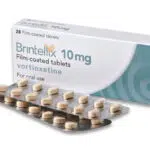
Trintellix (vortioxetine) is a brand-name prescription antidepressant that is designed to increase or restore the amount of serotonin, a hormone/neurotransmitter, in the brain.
What is Trintellix FDA-Approved to Treat?
Major depressive disorder (MDD), severe depression, is the only condition Trintellix is FDA-approved to treat.
What Forms and Strengths Does Trintellix Come In?
Trintellix is available in tablet form in three strengths: 5mg, 10mg, and 20mg. The active ingredient in Trintellix is vortioxetine, which is a serotonin modulator.
Did you know, our our self-help course has helped thousands of OCD sufferers better manage their symptoms?


"My OCD is finally manageable"
Jennifer S
Is Trintellix Available in Generic Form?
No, Trintellix is not available as a generic in the US. Although “shady” or unethical online pharmacies may try to illegally sell a generic form of the medication.
What Are the Typical Trintellix Dosages?

Your doctor will likely prescribe a low dosage of Trintellix initially. If your symptoms do not improve, he or she may gradually adjust the dosage until you reach the dosage that reduces or eliminates them.
Initial Dosage
However, the average starting dosage of Trintellix is 10mg once a day. If the 10mg dosage does not appear to be working, your doctor may increase your Trintellix dosage to 20mg once a day. On the flip side, if you begin to have side effects, your doctor may decrease your dosage to 5mg once a day.
Maximum Dosage
The manufacturer’s maximum dosage of Trintellix is 20mg once a day. However, your doctor may prescribe a higher dosage, especially if you are taking other medications with Trintellix.
Long-Term Dosage
Trintellix is designed to be a long-term treatment. Thus, if you and your doctor decide that Trintellix is safe and effective for your condition, you can take Trintellix indefinitely.
What Are the Trintellix Side Effects?

Trintellix, like most medicines, comes with a host of side effects.
Trintellix’s side effects include:
Mild Side Effects
It is common to experience one or more mild side effects while taking Trintellix.
- Nausea
- Itching
- Constipation
- Diarrhea
- Dizziness
- Dry Mouth
- Flatulence (Gas)
- Vivid Dreams
- Vomiting
Note: Mild side effects should lessen within a few days to a couple of weeks, however, if the side effects persist for a month or more, consult your doctor or pharmacist.
Serious Side Effects
Although rare, Trintellix can cause serious side effects.
- Low Blood Sodium Levels (i.e., Confusion, Loss of Memory, Hallucinations, Slurred Speech, Lethargy, and/or Unsteadiness)
- Sexual Dysfunction (i.e., Erectile Dysfunction, Premature Ejaculation (PE), Impotence, or Low Libido)
- Hemorrhaging, Serious Bleeding, and/or Easy Bruising (i.e., Coughing Up Blood, Digestive Tract Bleeding, etc.)
- Serotonin Syndrome (Too Much Serotonin in the Brain)
- Allergic Reaction
- Changes in Vision, Eye Pain, Redness, and/or Swelling
- Racing Thoughts
- Insomnia or a Decreased Need for Sleep
- Risk-Taking Behaviors
- Extreme Happiness or Sadness
- Unusual Talkativeness
- Sudden Changes in Mood or Behavior
- Anxiety
- Panic Attacks
- Impulsiveness
- Irritation
- Agitation
- Hostility
- Aggression
- Restlessness
- Hyperactivity
- Increased Depression
- Self-Harm
- Suicidal Thoughts
Note: Trintellix comes with a black box warning. More specifically, young people, who take Trintellix, may be at-risk for suicidal ideation (suicidal thoughts and attempts).
Can I Take Trintellix With My Other Medications, Vitamins, and Herbs?

It depends on what that medication, vitamin, or herb is.
- Other Antidepressants
- Buspirone
- Fentanyl
- Tramadol
- Lithium
- St. John’s Wort
- Tryptophan (L-Tryptophan)
- Blood Thinners (i.e., Warfarin, Coumadin, Jantoven, etc.)
- Diuretics or “Water Pills”
- Migraine Medications (i.e., Triptans)
- NSAIDs (aspirin, ibuprofen, naproxen, etc.)
- Seizure Medications (i.e., Carbamazepine, Phenytoin, etc.)
Is There Anything Else I Should Know About Trintellix Before I Take It?

Yes, there is!
- You should avoid Trintellix if you are allergic to vortioxetine.
- After you stop taking Trintellix, it is important to wait at least 21 days before taking an MAO inhibitor.
- If you are taking a stimulant, opioid, herbal product, or prescription medicine for depression, Parkinson’s disease, OCD, migraine, serious infections, or for the prevention of nausea and vomiting, share this information with your doctor and pharmacist. A Trintellix drug interaction could lead to serotonin syndrome.
To ensure that Trintellix is safe for you, tell your doctor if you have ever had:
- Bipolar Disorder (Manic Depression)
- Drug Abuse Problems
- Suicidal Thoughts
- Glaucoma
- Seizures or Epilepsy
- Bleeding Problems
- Low Blood Sodium Levels
Can I Take Trintellix While Pregnant?

It is not known if taking Trintellix while pregnant is safe. Understand that medications that affect serotonin levels, such as Trintellix, in late pregnancy may increase the risk of birth complications. in the newborn baby. As a result, your baby may need breathing support, tube feedings, or hospitalization for longer than usual following delivery.
Can I Take Trintellix While Breastfeeding?
It is not known if Trintellix can or will pass into your breastmilk or what effects it may have on a breastfeeding child. If you are breastfeeding or plan to breastfeed, talk with your doctor before starting Trintellix.
Can My Child Take Trintellix?

Yes, but it is not approved for people under the age of 18. However, your child’s doctor can prescribe it “off label” for his or her condition, But use caution when giving this medication to your child.
Is Trintellix FDA-Approved to Treat OCD?
No, Trintellix is not FDA-approved to treat OCD. However, it may be prescribed “off-label” to treat this OCD, if your doctor thinks it could be beneficial for your condition.
When Should I Expect to See Improvement in My OCD Symptoms After Taking Trintellix?
While mild improvement in OCD symptoms may occur in a couple of weeks, the full effect may take 4+ weeks to occur. After 8 weeks, the effects should diminish, however, the improvement should continue.
What is It Like to Take Trintellix for OCD?

I believe that the best way to determine how a medication may affect you is to hear from other people, who are taking, or who have taken the medication.
Listed below are people, who are taking, or who have taken Trintellix for OCD:
William
“Things are getting better with Trintellix, but there are still challenges to overcome. The biggest issue I have right now is that I am becoming more aware of my OCD and my actions based on my triggers. A few nights ago, I headed upstairs for bed without my usual ritual of checking to ensure that the door is locked.
When I realized it about halfway up the stairs, I felt so proud of myself for a split-second, before I started to get anxious over not really knowing anymore if the door was truly locked as I assumed. So, down the stairs I went, and back to normal lock checking again. But I still count that as a win because of that little moment of happiness.”
Update
“Well, I stayed on Trintellix for my OCD for about 3 months, and it was a rollercoaster. So, I got a new psychiatrist, and he switched me to 20mg of Lexapro, and I have been on the up-and-up ever since. My new psychiatrist told me that Trintellix pharmaceutical reps push the medication on him all of the time, but 9-out-of-10 times, Lexapro works way better than Trintellix for his OCD patients.”
Jason
“I switched to Trintellix for depression about a month ago, and I found that it increased my anxiety. It made me feel more aware of my obsessions, and it spiraled from there. Plus, insurance did not want to help out and I could not afford the $350+ a month for the medication.”
Clara
“I have anxiety/OCD/depression. I took Trintellix for a year, and it was the most amazing medication I had ever been on for my anxiety. I started low and took it at night to try to sleep away most of the side effects. But I did have diarrhea for the first 3 days of upping my dose, and I only went up to 10mg. But then it went away, and I noticed a difference in my anxiety at 7.5mg.
I never knew what genuine happiness was until Trintellix. But after taking it for 6 months, I started to gain weight. I gained 40 pounds and then stopped taking it because it made me feel starving all of the time. I never felt full, and these kinds of meds are known to affect your metabolism in a bad way. So yes, Trintellix was amazing for me but it caused me to gain a lot of weight.”
Paul
“Reading that so many other people had bad issues with Trintellix has me somewhat concerned. But at least for me so far, I am thrilled with Trintellix! It is not cheap, but my insurance pays a good deal for the cost. And, I have a good job. So, I am completely willing to pay. I was taking Vibryd.
But it stopped being effective. I have had no nausea or stomach issues with Trintellix. Although, I have only been on it for about a month. Truthfully, it started working much better than Vibryd within a week. Now, I am much less irritable. I also have not had any sexual side effects. I take Trintellix for both depression and OCD. It is not labeled for OCD. But antidepressants typically work well for OCD. And, it does for me.”
Is Trintellix Effective for OCD?

Well, the jury is still out. While it appears to be effective for depression, there is not much evidence that it is effective or ineffective for most people with OCD. In other words, more studies are needed to say if Trintellix determines effectiveness for the majority of OCD sufferers.
Can I Drink Alcohol and Take Trintellix?
Yes, you can, but it is not advised. Alcohol may worsen the side effects of this medication. Therefore, it is important not to drive or operate a machine until you know how you respond to the medication.
What Does the Research Say?

Well, there is not a lot of research on Trintellix for OCD, I suspect because it is not designed for OCD. However. I was able to find a 2016 study on Trintellix for MDD that found that Trintellix improved cognitive function in this population. Because Trintellix improved cognitive function in people with MDD, there is a chance it could do the same for people with OCD.
There was also a 2016 study on Trintellix (vortioxetine) for generalized anxiety disorder (GAD) that did not show significant improvement in GAD, as compared to the placebo. Researchers also found that nausea was more frequent with higher doses of Trintellix. Thus, the researchers concluded that Trintellix or any of its derivatives should not be used to treat GAD.
I was able to find one study that examined if Trintellix (vortioxetine) could be used to treat an adolescent with treatment-resistant OCD. Results suggest that this medication could reduce OCD symptoms in some people.
References
- Frampton J. E. (2016). Vortioxetine: A review in cognitive dysfunction in depression. Drugs, 76(17), 1675–1682. Retrieved from https://doi.org/10.1007/s40265-016-0655-3
- Fu, J., Peng, L., & Li, X. (2016). The efficacy and safety of multiple doses of vortioxetine for generalized anxiety disorder: A meta-analysis. Neuropsychiatric Disease and Treatment, 12, 951–959. Retrieved from https://doi.org/10.2147/NDT.S104050
- Naguy, A., Khraibut, B., & Al-Khadhari, S. (2019). Successful vortioxetine monotherapy for an adolescent with treatment-resistant obsessive-compulsive disorder. American Journal of Therapeutics, 26(6), e797–e799. Retrieved from https://doi.org/10.1097/MJT.0000000000000973
- Trintellix. (n.d.). Official patient guide. Retrieved from https://us.trintellix.com/?showmg=true&utm_adid=1224856104519936&utm_device=c&utm_crcampaign=BRBrand&gclid=2f77667b39d712c8a70605242a25b41f&gclsrc=3p.ds&msclkid=2f77667b39d712c8a70605242a25b41f&utm_source=bing&utm_medium=cpc&utm_campaign=TAK%7CTrintellix%7CMDD%7CDTC%7CFY22%7C%7CBR%20-%20Trintellix&utm_term=trintellix%20clinical%20trials&utm_content=Brand%7CTrintellix%20Clinical%20Trials%7CEN%7C
- Drugs.com. (2021). Trintellix. Retrieved from https://www.drugs.com/trintellix.html
Our self-help OCD therapy course has helped 1000s of OCD sufferers since 2018.
"My OCD is finally manageable"
Jennifer S
